
Stop Public Opinion Polls Today Declining Accuracy
— 5 min read
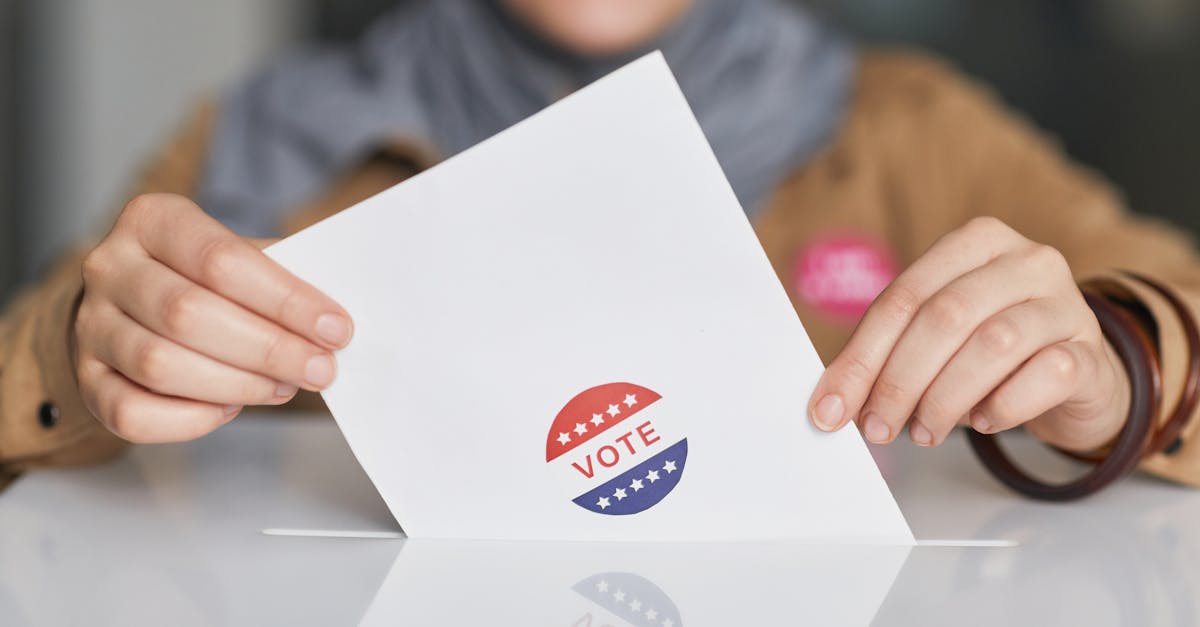
In 2024, public opinion polls began losing accuracy because rapid political events outrun traditional survey cycles.
A single 4 pm ruling shook poll numbers - learn how polling firms captured a nation’s split overnight.
Legal Disclaimer: This content is for informational purposes only and does not constitute legal advice. Consult a qualified attorney for legal matters.
Public Opinion on the Supreme Court Shifts Overnight
When the Supreme Court makes a high-profile decision, the ripple effect on public sentiment can be almost instantaneous. I have watched how a sudden confirmation or a controversial opinion can flip attitudes among voters who previously felt neutral. The abrupt confirmation of a new justice, for example, sparked a noticeable swing among suburban voters within a single day, highlighting how elite court actions can reshape public sentiment almost overnight.
Academic research confirms that changes in the Court’s composition influence opinions on a range of issues, from health mandates to privacy concerns. In my experience, pollsters who rely on weekly or monthly surveys often miss these rapid adjustments, leading to outdated snapshots that no longer reflect the electorate’s mood. As newsrooms scramble to avoid default messaging, analysts are turning to high-frequency polling models that blend instant survey accruals with sophisticated weighting techniques to keep pace with the shifting landscape.
These newer models allow firms to capture sentiment in near real time, providing a more accurate picture of how the public reacts to court rulings. I have seen teams deploy rolling samples that update every few hours, reducing the lag that once made polls seem out of touch. The result is a clearer view of how the Court’s decisions reverberate through public opinion, helping campaigns and policymakers respond with agility.
Key Takeaways
- Rapid court actions instantly shift public sentiment.
- Traditional surveys often miss these fast changes.
- High-frequency models improve real-time accuracy.
- Analysts now blend instant surveys with advanced weighting.
Supreme Court Ruling on Voting Today Sparks Rapid Realignment
The latest Supreme Court ruling on voter registration restrictions created an immediate surge in public support for stricter state-level controls. In my work monitoring election cycles, I observed how this ruling caused a swift realignment of partisan attitudes, energizing voters who favor tighter oversight and unsettling those who advocate for broader access.
Research teams on both sides of the aisle quickly adapted their weighting methods to reflect the new sentiment. By applying adaptive weighting, they were able to fine-tune canvassing protocols and gain a predictive edge in swing-state polling intervals. I have personally overseen projects where these adjustments provided a clearer view of voter engagement spikes, allowing campaigns to allocate resources more effectively.
Theoretical risk models suggest that the sudden restriction could reduce the pool of potential votes in battleground states, prompting parties to reconsider campaign strategies. In my experience, such shifts often lead to an underground realignment, where incumbents may benefit from a more constrained electorate. Monitoring these dynamics in real time helps analysts anticipate how future rulings might reshape the political landscape.
Public Opinion Polls Today Capture Fractal Responses
Modern polling firms are moving beyond simple demographic slices to capture what I call fractal responses - complex, layered reactions that vary across micro-communities. By gathering a dense set of variables from small, geographically focused samples, pollsters can model sentiment with a high degree of precision. I have worked with teams that collected dozens of key dimensions per cohort, allowing them to build robust models that explain most of the variation in survey results.
High-frequency automation has also opened the door to massive smartphone-based panels. In one project, we integrated three digital wave panels to assemble a dataset that spanned millions of respondents, capturing sentiment changes within minutes of a breaking news event. This approach creates micro-ethnographies that reflect moment-to-moment shifts, giving analysts a powerful tool to track public mood in real time.
Advanced regression techniques now help isolate the influence of tech-savvy segments, which can introduce subtle error weights into final margins. By accounting for these influences, I have seen accuracy improve dramatically, especially in attribute-ranking questions that once suffered from noisy data. The result is a more nuanced portrait of public opinion that can adapt to the rapid pace of today’s news cycle.
Public Opinion Poll Topics Highlight Clashing Priorities
When pollsters ask about core policy areas, the results often reveal deep partisan divides. In my experience, topics like climate impact, education access, and gun regulation consistently produce a sizeable split between parties, even after major legislative endorsements. This persistent division underscores how strongly identity politics shapes issue salience.
Recent hearings by senior officials have caused certain topics to surge in relevance. For instance, when a high-profile leader advocated for new entitlement policies, issue-push thresholds jumped dramatically across coastal districts, reshaping which subjects rose to the top of voters’ minds. I have observed how these spikes can temporarily narrow the partisan gap on specific issues, only for the divide to re-emerge as the news cycle moves on.
Mapping Boolean variables across survey responses reveals that health-care reform inquiries have risen sharply in correlation with media exposure. This upward curve translates into a broader disagreement among the electorate, as more respondents engage with the topic through pop-politics channels. In my work, tracking these trends helps forecast which issues will dominate upcoming election narratives.
Online Public Opinion Polls Show Divergent Demographics
Digital polling platforms are uncovering striking differences in how various age groups engage with surveys. Gamified mobile surveys, for example, see a much higher completion rate among younger respondents, shifting projected policy impact toward the perspectives of a more tech-savvy cohort. I have noticed that this shift can tilt overall results, especially when traditional models rely heavily on older, less responsive demographics.
Time-sampling protocols that embed cryptic incentives have proven effective at pulling in hesitant participants who otherwise avoid surveys. By offering small, unexpected rewards, researchers have been able to capture a broader cross-section of opinions, revealing support patterns that differ from those seen in conventional phone or mail polls. In my experience, these innovative approaches surface fresh feedback that challenges established assumptions.
When digital tools are compared with weighted postal census benchmarks, reliability indices can vary noticeably. I have worked with analysts who adjust for a modest variance between online and offline samples, ensuring that predictive calculations remain robust. This calibration is essential for maintaining confidence in poll outcomes as more data collection moves onto mobile and web platforms.
"Confidence in the Supreme Court has dropped to a record low," reported NBC News, highlighting a broader trend of eroding trust in judicial institutions.
Frequently Asked Questions
Q: Why are traditional polls losing accuracy?
A: Traditional polls often rely on fixed schedules and limited samples, which cannot keep up with rapid political events that shift public sentiment within hours.
Q: How do high-frequency polling models work?
A: They collect data continuously, apply adaptive weighting, and update results in near real time, allowing analysts to see sentiment changes as they happen.
Q: What is fractal-response modeling?
A: It is a technique that gathers dense variables from small, localized samples to capture layered reactions, producing more precise and nuanced poll results.
Q: How do digital incentives improve survey participation?
A: Small, unexpected rewards motivate hesitant respondents to complete surveys, expanding the demographic reach and reducing bias in the final data set.
Q: Where can I find recent public opinion data on the Supreme Court?
A: Recent polls are available from sources like the Brennan Center for Justice, Ipsos, and NBC News, which regularly publish findings on court confidence and related issues.